You are here: Home » Pellet Stoves

Pellet Stoves

High Country Stoves is Your Source for Pellet Burning Stoves in Laramie,
Wyoming

When considering a pellet stove to heat your house, common motivating factors are:

1. Desire to be energy independent from gas or electric utilities for heat.

2. Need for more convenience than wood, but still want to use a renewable resource to heat with.

3. Availibility of pellets from a choice of different suppliers, thus creating competition for your pellet business.


Let us walk you through your three pellet stove options:

Freestanding Pellet Stoves

Freestanding Pellet Stoves

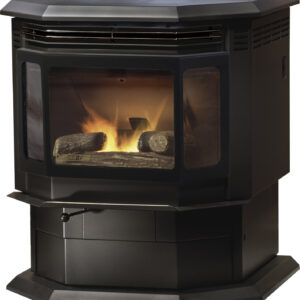
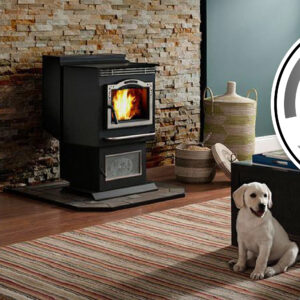
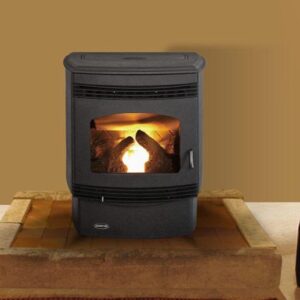
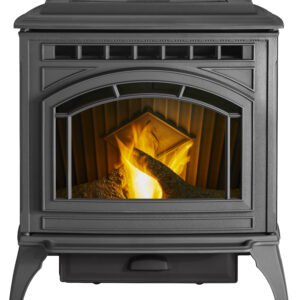
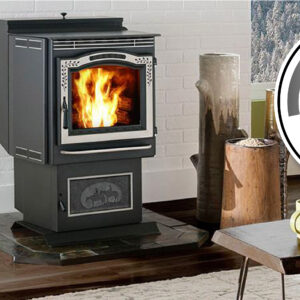
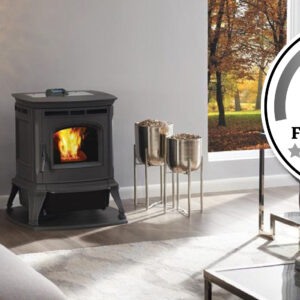
Our freestanding pellet stoves are designed to stand in a room without being surrounded by any other materials, i.e. surrounded by air on all sides.

A freestanding pellet stove is very practical for either new construction or retrofitting to an existing home. It will be the simplest to add, as it does not have surrounding framing nor does it need a fireplace to install into like an insert requires.

View Our Selection Of Freestanding Pellet Stoves


Insert Pellet Stoves

Insert Pellet Stoves

Our insert pellet stoves are designed to be installed into an existing code complying woodburning fireplace.

An insert is a choice only if your house already has an existing woodburning fireplace. A pellet insert allows you to change that inefficient decorative fireplace into an efficient heat producer without sacrificing more floor space.

View Our Selection Of Insert Pellet Stoves


Built-In Pellet Stoves

Built-In Pellet Stoves

These appliances are usually an insert that has had additional testing done to qualify it to be installed inside of wood framing without a fireplace. This is similar to a built-in prefabricated woodburning fireplace. Because heat is produced in the fire chamber where the pellets are burned and is insulated away from the rest of the stove, the stove can be installed into combustible wood framing without overheating it and causing a danger. Not all pellet inserts are tested and approved to be installed as a built-in pellet stove. The manufacturer’s instructions must be strictly adhered to.

A built-in pellet stove can be just as efficient as a freestanding stove or an insert. It will need to be framed in and surrounded by a wall in your home, or bumped out through an exterior wall and enclosed in a box, which we term a “chase”. This can be done during new construction to get a “fireplace” look with a pellet stove, or it can be retrofitted to an existing home.

View Our Selection Of Built-In Pellet Stoves


Why our customers in Southeastern Wyoming and North Central Colorado love our pellet stoves for heating their homes

Residential pellet stoves are an innovation from the mid 1980s. Prior to this time pellet burning furnaces were used somewhat in industrial settings, but were not designed for use in home heating. This innovation allows people to use a renewable resource with much more convenience than a wood stove.

The pellets themselves are made up of scrap wood sources such as sawdust from a lumber mill making 2 x 4s or other lumber to build a house. Before the advent of pellet stoves using pellets, sawdust was a waste product and had to be disposed of. Now, this same sawdust can be compressed and made into a uniform fuel to burn to heat your home. No artificial additives such as wax or glue are used to hold the sawdust together. During the pellet production process heat and pressure are applied and the natural lignin in the wood bind the sawdust together to make it into an appropriate fuel to feed into your stove.

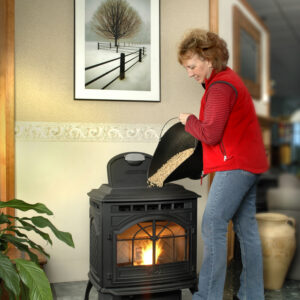
Pellet stoves are mechanical appliances with blowers and an auger motor to feed the fuel. This means they do need a source of electricity to operate. All stoves have a hopper to hold a large quantity of fuel. The pellets are then fed into a firepot where they are mixed proportionately with a mechanically measured portion of air to get VERY complete combustion and high burn efficiency. The heat produced from this efficient burn is then transferred through a heat exchanger to the air that blows into your room and heats your home.

In a well-designed and quality constructed stove, this efficient burn and heat transfer creates an appliance capable of being a whole house heater. Combined with today’s modern technology with thermostats and automatic lighting, the stove can be attended to once a day to add fuel. The rest of the time it will turn itself on, heat efficiently and turn itself back off, just like a gas or oil furnace.

These stoves also burn cleanly and admit very low to almost no emissions to pollute the atmosphere. So a new pellet-burning appliance meets or exceeds the EPA emission standards and is very “green” and environmentally friendly.

Come visit High Country Stoves in Laramie, Wyoming, where our knowledgeable staff is ready to help you pick the perfect pellet burning stove for your home.

What makes the difference from one pellet to the next?

There are three primary differences in the quality of pellets available on the market.

1) BTU
This determines how hot the pellets burn. The typical range is between 7,000 and 9,000 Btu’s per pound. Most pellet stoves have a heating range based on 8,000 Btu’s/lb. The higher the Btu of your pellets, the fewer pounds of pellets you have to burn to produce the same amount of heat.

2) Ash Content
This determines how much inorganic ash is produced and how often you have to clean your stove. The measurement is done based on a percentage of the total pellet weight. This can range from around 0.3% ash to well over 3% ash. This means if you have an average pellet ash content of 1 1/2% you can have over 4 times the amount of ash as a good quality pellet. A poor quality pellet can have 7 1/2 times the amount of ash as a good pellet. Ash content is determined by the particular species of wood and the mineral content of the soil that the tree grew in.

3) Compression
This is also known as density. This part of the standard determines the amount of “fines” or sawdust in your pellets. This is important because a brand of pellets that is not well compressed can cause feeding problems in your stove. The sawdust can build up and stop the pellets from sliding down in the hopper, and the sawdust can compact in the auger tube and stop pellets from traveling through. This does not take into account the amount of mess that is made when you pour the pellets into your stove’s hopper.

There are standard and premium grade pellets available, and the Pellet Fuel Institute (PFI) sets these grades. If you would like to read more about pellet fuel grades, go to the PFI website at http://www.pelletheat.org/3/industry/index.html, and read the section titled “PFI-graded fuel must meet tests for:“ This page will tell you of some of the other standards that pellet manufacturers have to meet to print the PFI standard on their bags. Not all manufacturers choose to test their pellets for compliance to the voluntary standards. If you want to know, ask the manufacturer or retailer of the pellets you are using.

The point of purchasing good quality pellets is the value. Yes, you will pay more for each bag. But you will burn fewer pellets to produce the same amount of heat. You will have fewer operational problems with your stove, and you will need to clean your stove less often. This is why a good quality pellet will save you time and money in the long run, and be less work and more fun to have in your home.

Have questions about pellet stoves? Call us at (307) 745-4488!